


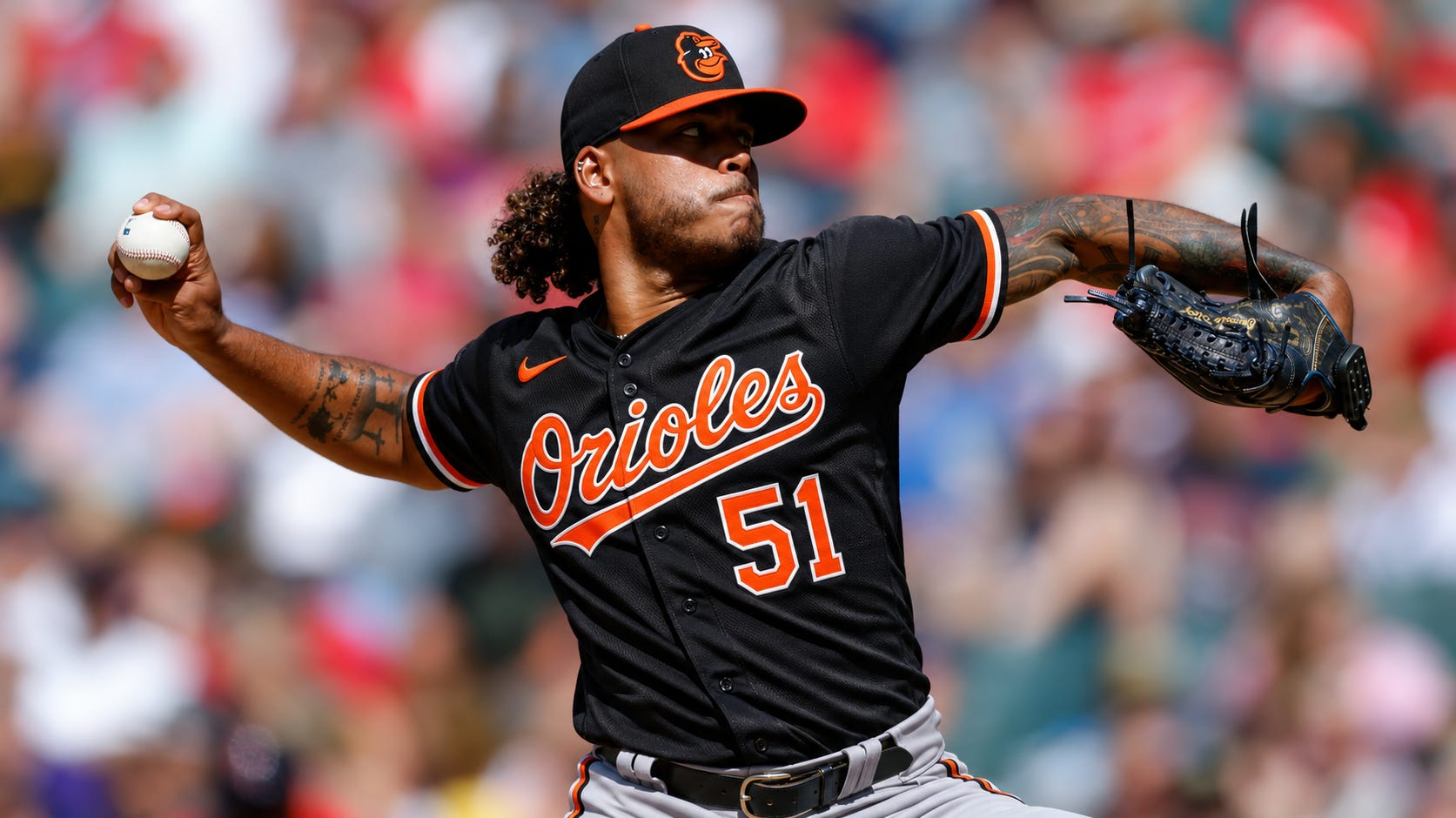
The New York Mets made the first major splash of the offseason, landing Tarik Skubal and bolstering an already impressive starting rotation. The addition of the two-time Cy Young Award winner immediately turns New York into a contender for the best rotation in baseball, adding another elite arm to an already talented group.
After winning back-to-back Cy Young Awards in 2024 and 2025, Skubal spent some time on the injured list in 2026. However, when healthy, he remained the same dominant pitcher who had established himself as one of the game’s premier starters. The Mets rewarded him with a nine-year contract, bringing a combined value of Skubal’s and Juan Soto’s contracts to well over $1.1 billion over their terms.
In fact, the significance of this signing may have less to do with the Mets’ immediate future and more to do with the state of the league’s free-agent market. A $50 million AAV is an extraordinary number for any player, much less a starting pitcher who sees the field just 30 times a year. But with several established arms still available, Skubal’s price tag may have just raised the asking price for the rest of the market.
Pitchers like Michael King, Kevin Gausman, Clay Holmes, and Nick Pivetta are all still looking for their next contracts, with several potentially seeking long-term commitments. Skubal’s deal didn’t just establish a new benchmark for starting pitcher compensation; it also sent a message to the rest of the league that teams are still willing to hand out ambitious, long-term contracts for elite talent, even with collective bargaining negotiations and the possibility of a lockout looming.
We’ve already begun to see the potential ripple effects of the Skubal signing in the contracts handed out to Freddy Peralta and Trevor Rogers.
Peralta, who experienced an up-and-down season in his first year outside of Milwaukee, struggled to find consistency during his time with the Mets before being shipped to Tampa Bay. However, his second-half performance showed he clearly had more in him. Over 55.2 innings, he posted a 3.25 ERA while striking out 43 batters. Perhaps even more telling was the improvement in his WHIP, which dropped from 1.48 with New York to 1.01 with Tampa Bay. Baltimore ultimately rewarded Peralta with a five-year, $125 million contract. Considering his inconsistent first half, the deal represents a significant commitment from the Orioles, but also a major payday for a pitcher who overcame immense adversity this season.
Rogers, meanwhile, is coming off two very different seasons. He broke out in 2025, posting a remarkable 1.81 ERA across ~100 innings. In 2026, he took on a much larger workload, throwing 169.2 innings, although his ERA climbed to 4.03. Despite the regression in his run prevention, Rogers still landed a five-year, $120 million contract, nearly identical in length and value to Peralta’s deal. That kind of commitment speaks to how highly teams value reliable starting pitching, even when a recent season doesn’t necessarily match a player’s previous success.
Both contracts could be particularly important for the remaining pitchers on the market. With Peralta and Rogers securing five-year deals north of $100 million, the likes of King, Gausman, Holmes, and Pivetta have a stronger negotiating position heading into the remainder of free agency. Teams searching for established rotation pieces may now have to pay a premium to get their guy, particularly with the market’s top arms already beginning to come off the board.
Coming into the offseason, there was plenty of speculation that the uncertainty surrounding the next collective bargaining agreement could put a damper on the free-agent market. With the possibility of a lockout after the 2026 season, some expected teams to shy away from long-term financial commitments, potentially making one-year deals more common. So far, however, the opposite appears to be happening.
The Skubal signing, followed by the contracts handed out to Peralta and Rogers, suggests that owners are still willing to spend aggressively when the right talent becomes available. Whether that spending continues throughout the rest of the offseason remains to be seen. But one thing is becoming increasingly clear: if teams want to compete for quality starting pitching, they may have to pay a whole lot more than they initially anticipated.